Challenge an Acne Myth
Learn one evidence-based fact about acne and replace a common misconception with accurate information. For example, aggressive scrubbing does not make acne disappear faster and can irritate the skin.
National Acne Positivity Day is observed every September 1 to challenge acne stigma, encourage skin acceptance and remind people that breakouts should never define their confidence or self-worth.
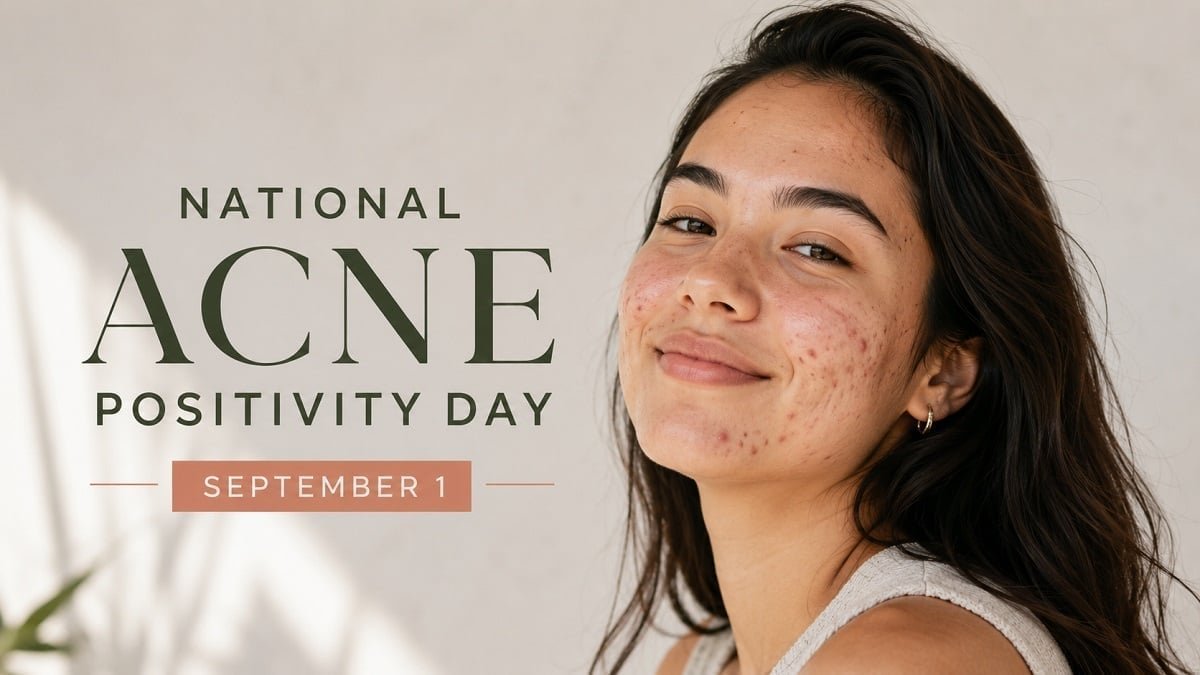
National Acne Positivity Day is observed annually on September 1 in the United States to promote acceptance of acne-prone skin and encourage healthier, more respectful conversations about a very common skin condition. La Roche-Posay founded the observance in 2020 with a focus on embracing individual acne journeys and building healthier relationships between people and their skin.
Acne positivity does not mean pretending that acne cannot be frustrating, uncomfortable or medically significant. Instead, the message is that a person deserves confidence and respect regardless of whether their skin is clear. This matters because acne can affect emotional well-being as well as appearance, with research linking it to lower self-esteem, anxiety, poor self-image and reduced quality of life.
The day also provides an opportunity to replace common myths with reliable information, support people who choose to share their experiences and encourage anyone struggling with persistent or severe acne to seek appropriate dermatological care when needed.
Origins, development, and the events that shaped this observance.
National Acne Positivity Day is a relatively recent observance with a documented origin.
In 2020, skincare brand La Roche-Posay established Acne Positivity Day for September 1. According to the company, the goal was to spread acceptance for all skin, encourage people to embrace their individual acne journeys and foster healthier relationships between people and their skin.
National Day Calendar also records La Roche-Posay as the founder and states that its Registrar proclaimed September 1 as the annual observance date.
The message addressed a genuine concern surrounding acne. The American Academy of Dermatology describes acne as the most common skin condition in the United States and notes that it can affect much more than physical appearance. People living with acne may experience anxiety, depression, low self-esteem, poor self-image and decreased quality of life.
As the campaign developed, La Roche-Posay continued promoting discussions around skin acceptance and the emotional effects associated with acne. In 2023, the company organized a two-day “Positivity Lab” experience in New York City that combined acne education with discussions about skin confidence and mental health.
The observance is therefore centered not on celebrating acne as a medical condition, but on challenging the shame and judgment that can surround visible breakouts. Acne positivity and acne treatment can coexist: people can accept their appearance today while still choosing evidence-based care for their skin.
Practical ways to observe the day thoughtfully and meaningfully.
National Acne Positivity Day can be observed without putting pressure on anyone to display their skin or discuss personal experiences publicly. The most meaningful activities focus on respect, reliable information and allowing people to decide what makes them feel comfortable and confident.
Learn one evidence-based fact about acne and replace a common misconception with accurate information. For example, aggressive scrubbing does not make acne disappear faster and can irritate the skin.
If you feel comfortable, talk about your own experience with acne through a conversation, blog post or social media update. Personal stories can help others realize they are not alone.
Go through the day without criticizing your appearance because of a breakout. Acne positivity can simply mean refusing to let temporary skin changes determine your self-worth.
Avoid unsolicited comments or advice about another person’s skin. Instead, listen respectfully if someone chooses to discuss how acne affects them.
Use information from dermatologists rather than viral remedies. The American Academy of Dermatology advises gentle care and warns that repeatedly irritating acne-prone skin can worsen breakouts.
If acne is persistent, painful, scarring or difficult to manage, consider consulting a qualified dermatologist. Dermatologists can help treat existing acne and reduce the risk of future breakouts and scars.
Memorable details and useful context connected with National Acne Positivity Day.
Acne is extremely common, but misinformation about it remains widespread. These short facts help separate evidence from popular misconceptions.
Acne is the most common skin condition in the United States and affects millions of Americans every year.
Studies associate acne with lower self-esteem, anxiety, poor self-image and reduced quality of life.
You cannot catch acne from another person through ordinary contact.
The dark appearance of a blackhead is not trapped dirt, and harsh scrubbing can make acne irritation worse.
Acne is not limited to teenagers. Adults can continue to experience breakouts well beyond adolescence.
Picking at acne can increase the likelihood of scarring, which is one reason dermatologists recommend treating acne early.
Dermatologists note that improvement usually takes weeks rather than days and complete clearing can take several months.
Important moments that shaped the day and its place in the calendar.
La Roche-Posay establishes Acne Positivity Day to encourage acceptance of acne-prone skin and healthier relationships between people and their skin.
September 1 becomes the recurring date for Acne Positivity Day, with observance databases recording the day annually from 2020 onward.
The Registrar at National Day Calendar proclaims September 1 as the annual date for National Acne Positivity Day.
La Roche-Posay hosts a two-day public “Positivity Lab” featuring skin education and conversations about acne, confidence and mental health.
La Roche-Posay marks its fifth annual campaign with a discussion bringing together college students and experts to talk openly about acne and its emotional impact.
The observance continues annually on September 1, promoting skin acceptance and encouraging people to challenge stigma surrounding acne.
Helpful answers about the date, meaning, and observance.
National Acne Positivity Day is observed every year on September 1.
It is an annual observance focused on challenging stigma surrounding acne, encouraging acceptance of acne-prone skin and promoting healthier relationships between people and their appearance.
La Roche-Posay founded Acne Positivity Day in 2020. National Day Calendar also identifies the skincare company as the founder of the observance.
The day was created to promote acceptance of all skin, encourage people to embrace their individual acne journeys and help reduce stigma surrounding visible breakouts.
No. Acne is not simply the result of having “dirty” skin. Dermatologists warn that excessive washing or scrubbing can irritate acne-prone skin and worsen breakouts.
No. Acne itself is not contagious and cannot be caught from someone else through ordinary contact.
No. Although acne is common during adolescence, adults can also develop or continue to experience acne in their 20s, 30s, 40s and beyond.
Yes. Research has found associations between acne and problems including anxiety, depression, low self-esteem, poor self-image and reduced quality of life.
No. Accepting your appearance and seeking acne treatment are not opposites. Someone can reject shame about their skin while also choosing evidence-based treatment or consulting a dermatologist.
Professional care can be helpful when acne persists despite self-care, becomes severe or painful, causes scarring, or creates significant emotional distress. Dermatologists can recommend treatment based on the type and severity of acne.
No. Dermatologists advise against aggressive or repeated scrubbing because irritation can worsen acne rather than clear it faster.
 Featured
National Child Identity Theft Awareness Day is observed every September 1 in the United States to raise awareness about the theft and misuse of children’s personal information. Created by Experian in 2018, the observance encourages parents and guardians to protect children’s identities and watch for signs of fraud.
Read the story Featured
Ginger Cat Appreciation Day is observed every September 1 to celebrate orange and ginger cats while encouraging appreciation, responsible pet care, adoption and support for animal rescue.